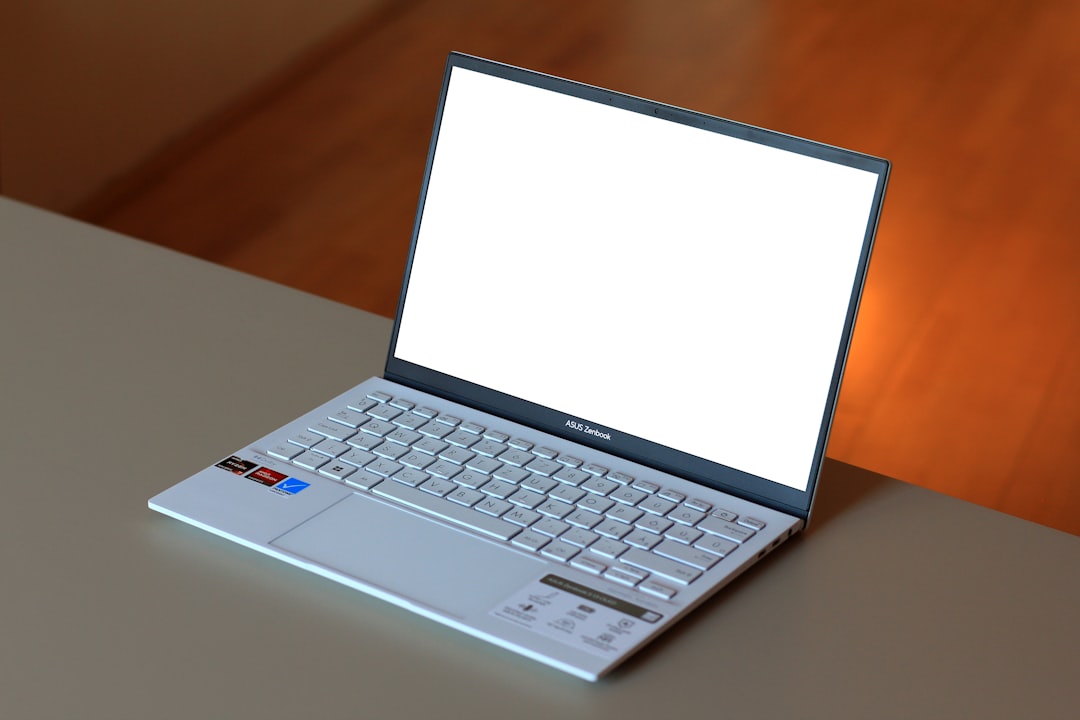
Multi-Port USB-C Hubs
Price: ~$99-129
HDMI, Ethernet, 3x USB 3.0, SD/microSD, 100W PD pass-through. Supports 4K@60Hz display with Gigabit Ethernet. Gray premium all-in-one hub.
Price: ~$69-89
4K HDMI, USB-C PD, 2x USB 3.0, SD/microSD card readers. 100W power delivery pass-through. Gray compact travel hub.
Price: ~$49-69
Triple display (2x HDMI + VGA), Gigabit Ethernet, 3x USB 3.0, 100W PD. Aluminum construction with heat dissipation. Gray versatile hub.
Price: ~$79-99
4K HDMI, USB-C PD, 2x USB 3.0, SD/microSD readers. Space gray aluminum matches MacBook. Premium compact dongle.
Price: ~$159-199
7-in-1 with 4K@60Hz, 3x USB 3.0, SD/microSD, 87W PD. Gigabit Ethernet with aluminum construction. Space gray professional hub.
HDMI & DisplayPort Adapters
Price: ~$14-19
Aluminum adapter supporting 4K@60Hz and 1080p@120Hz. Thunderbolt 3/4 compatible with compact design. Space gray simple HDMI dongle.
Price: ~$16-21
Supports 8K@60Hz or 4K@144Hz with DP 1.4. Compatible with Thunderbolt 3/4 and USB-C. Black high-resolution video adapter.
Price: ~$15-20
Aluminum shell with 4K@30Hz video output. Plug-and-play with MacBook, Chromebook, and more. Gray budget HDMI adapter.
Card Readers & SD Adapters
Price: ~$14-19
SD and microSD slots with USB 3.0 speeds up to 312MB/s. Aluminum shell with portable design. Gray dual card reader.
Price: ~$19-24
SD/microSD readers with USB 3.0 port. Supports UHS-I cards at up to 104MB/s. Gray aluminum compact hub.
USB-A to USB-C Adapters
Price: ~$9-14
5Gbps data transfer with aluminum construction. Connect USB-A peripherals to USB-C ports. Gray value 2-pack.
Price: ~$19-29
Official Apple adapter for USB-A devices. Premium build quality with compact design. White official accessory.
Ethernet & Networking Dongles
Price: ~$19-24
Gigabit Ethernet with aluminum housing. Supports 10/100/1000 Mbps with portable design. Gray network adapter.
Price: ~$29-39
2.5 Gigabit Ethernet with RTL8156B chipset. USB-C 3.2 Gen 1 with aluminum alloy housing. Black high-speed network dongle.
Price: ~$24-34
Gigabit Ethernet with 3x USB 3.0 ports. 4-in-1 combo adapter with aluminum construction. Black versatile networking hub.
Key Features to Consider:
-
Port Requirements: Inventory needed connections (HDMI, USB-A, SD, Ethernet) before purchase to avoid multiple dongles cluttering workspace
-
Power Delivery Pass-Through: 85-100W PD ensures laptop charges while using hub, essential for sustained productivity without battery drain
-
Video Output Specs: 4K@30Hz adequate for basic displays, 4K@60Hz for smooth scrolling, 4K@120Hz or 8K for gaming and pro workflows
-
Data Transfer Speeds: USB 3.0 (5Gbps) handles most tasks, USB 3.1 Gen 2 (10Gbps) benefits external SSDs, Thunderbolt 3 (40Gbps) for pro storage
-
Build Quality: Aluminum construction dissipates heat better than plastic, preventing throttling during intensive file transfers and video output
-
Size & Portability: Compact single-port adapters ideal for travel, multi-port hubs better for permanent desk setups with comprehensive connectivity
-
Compatibility Verification: Ensure hub supports your device (Mac, Windows, Chromebook) and required features (Thunderbolt 3/4, DisplayPort Alt Mode)
All prices are approximate and may vary based on sales and availability.
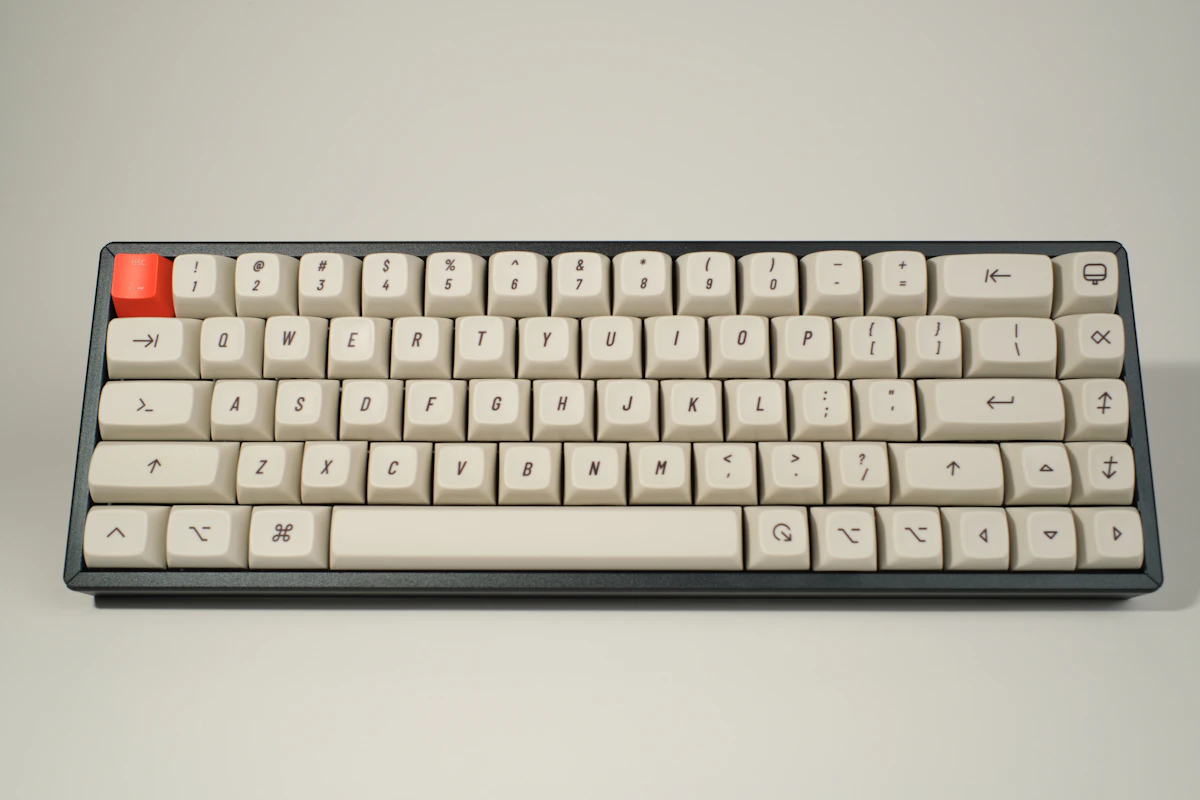
High-Speed Data Cables (40Gbps+)
Price: ~$129-159
40Gbps data transfer with 100W charging support. Coiled cable design with braided construction. Black premium Thunderbolt 4 certified.
Price: ~$39-49
40Gbps with 8K display and 100W power delivery. Intel certified with universal USB-C compatibility. Black 2-meter data cable.
Price: ~$19-29
USB 3.2 Gen 2 with 10Gbps data and 100W PD charging. E-Marker chip with braided nylon construction. Black versatile data/charge cable.
Price: ~$49-69
40Gbps with dual 4K or single 8K display support. 100W charging with Intel certification. Black professional Thunderbolt 4 cable.
Price: ~$69-89
40Gbps long cable with 100W power delivery. Intel certified with universal compatibility. Black 6.6-foot Thunderbolt 4 cable.
USB 3.2 Gen 2 Cables (10Gbps)
Price: ~$14-19
USB 3.2 Gen 2 with E-Marker and 100W PD support. Nylon braided with aluminum housing. Black fast data transfer cable.
Price: ~$16-21
10Gbps data with 100W charging and 35,000-bend lifespan. E-Marker chip with double-braided nylon. Black durable USB-C cable.
Price: ~$13-18
10Gbps with 5A/100W power delivery and E-Marker. Supports 4K@60Hz video with DP Alt Mode. Black versatile data cable.
DisplayPort Alt Mode Cables
Price: ~$24-34
8K@60Hz or 4K@120Hz video with 100W PD charging. E-Marker with braided design. Black long video cable.
Price: ~$16-21
4K@60Hz video with 100W power delivery and 10Gbps data. Nylon braided with aluminum connector. Gray long USB-C cable.
Budget USB-C Cables
Price: ~$7-12
480Mbps data transfer with 3A/60W charging. Basic cable for charging and file transfer. Black affordable USB-C cable.
Price: ~$11-16
60W power delivery with nylon braided construction. Compatible with most USB-C devices. Black budget 2-pack cables.
Price: ~$12-17
Short cables with 60W charging and 480Mbps data. Durable construction with value pricing. Black 2-pack short cables.
Right Angle & Specialty Cables
Price: ~$13-18
90-degree connector with 100W PD and 10Gbps data. Space-saving design for tight spaces. Black right-angle cable.
Price: ~$24-34
Magnetic breakaway connection with 100W charging and 480Mbps. Quick-connect design prevents tripping damage. Black magnetic USB-C cable.
Key Features to Consider:
-
Data Speed Requirements: USB 2.0 (480Mbps) adequate for charging, USB 3.2 Gen 2 (10Gbps) for external SSDs, Thunderbolt 4 (40Gbps) for pro workflows
-
Power Delivery Ratings: 60W suits phones and tablets, 100W required for laptops, E-Marker chips ensure safe high-wattage charging
-
Video Capabilities: DP Alt Mode enables 4K@60Hz over USB-C, 8K requires USB 3.2 Gen 2, Thunderbolt 4 supports dual 4K displays
-
Cable Length Impact: Under 3ft maintains USB 3.2 10Gbps speeds, 6ft adequate for most setups, beyond 10ft requires active cables for high speeds
-
Build Quality: Braided nylon resists tangling and abrasion, aluminum connectors dissipate heat, strain relief prevents cable failure at connectors
-
Thunderbolt vs USB-C: Thunderbolt 4 backward compatible with USB-C but offers 4x speed and daisy-chaining, not all USB-C cables support Thunderbolt speeds
-
Certification Matters: Intel Thunderbolt certified ensures full 40Gbps, USB-IF certification guarantees spec compliance, E-Marker chips required for 5A/100W charging
All prices are approximate and may vary based on sales and availability.

34-Inch Ultrawide Monitors
Price: ~$399-499
21:9 UltraWide QHD (3440x1440) IPS display with HDR10. USB Type-C connectivity with 60W power delivery. Black curved monitor with AMD FreeSync.
Price: ~$299-399
Ultra-WQHD (3440x1440) with 100Hz refresh rate. AMD FreeSync and picture-by-picture mode. Black ergonomic tilting stand.
Price: ~$849-949
WQHD (3440x1440) IPS with USB-C hub and 90W power delivery. Height-adjustable with built-in KVM switch. Platinum silver premium productivity monitor.
Price: ~$499-599
UWQHD (3440x1440) with 180Hz refresh and 1ms response. NVIDIA G-SYNC compatible and DisplayHDR 400. Black gaming ultrawide.
Price: ~$349-449
UWQHD (3440x1440) VA with 144Hz and 1ms MPRT. AMD FreeSync Premium with height-adjustable stand. Black curved immersive gaming.
38-40 Inch Ultrawide Monitors
Price: ~$1,299-1,499
Nano IPS (3840x1600) with Thunderbolt 3 and 94W charging. HDR10 and AMD FreeSync with curved design. White premium productivity monitor.
Price: ~$2,199-2,399
5K2K (5120x2160) IPS with Thunderbolt 4 and 140W power delivery. Curved 21:9 with KVM switch. Premium professional display.
Price: ~$799-899
UWQHD (3440x1440) QD-OLED with 175Hz and 0.03ms. DisplayHDR 400 True Black with KVM switch. Black premium gaming OLED.
Price: ~$749-849
UWQHD (3440x1440) IPS with 120Hz and DisplayHDR 400. Factory calibrated Delta E < 2 for color accuracy. Black professional content creation.
Price: ~$1,799-1,999
Dual QHD (5120x1440) OLED with 240Hz and 0.03ms. AMD FreeSync Premium Pro with 1800R curve. Black ultimate gaming ultrawide.
Budget Ultrawide Options
Price: ~$199-249
Ultrawide 2560x1080 with 200Hz and AMD FreeSync. DisplayPort and HDMI with built-in speakers. Black affordable curved gaming.
Price: ~$249-299
Full HD (2560x1080) IPS with HDR10 and AMD FreeSync. sRGB 99% color gamut with OnScreen Control. White budget ultrawide productivity.
Price: ~$349-449
Ultra-WQHD (3440x1440) VA with 100Hz refresh. AMD FreeSync and picture-in-picture mode. Dark blue gray mid-range curved display.
Premium & Specialty Ultrawides
Price: ~$1,599-1,699
5K Retina (5120x2880) with True Tone and P3 wide color. Thunderbolt 3 with 96W charging and studio-quality mics. Silver Apple ecosystem integration.
Price: ~$849-949
WQHD (3440x1440) IPS with Thunderbolt 3 and 90W charging. KVM switch with factory calibrated Rec.709 and sRGB. Gray professional content creation.
Key Features to Consider:
-
Resolution Standards: 2560x1080 budget Full HD ultrawide, 3440x1440 UWQHD standard for productivity/gaming, 5120x2160 5K2K for premium professional work
-
Aspect Ratio Options: 21:9 ultrawide replaces dual monitors, 32:9 super-ultrawide equivalent to two 16:9 displays side-by-side
-
Refresh Rate: 60-75Hz suits office work, 100-144Hz ideal for gaming, 165-240Hz enables competitive esports advantage
-
Panel Technology: IPS offers best color accuracy (99% sRGB) and viewing angles, VA provides superior contrast, OLED delivers perfect blacks and response times
-
Curvature Rating: 1800R moderate curve for 34”, 1000R aggressive bend for 49” immersive gaming, flat panels suit productivity workflows
-
Connectivity Needs: Thunderbolt 3/4 with 90-140W PD charges laptops, DisplayPort 1.4 required for high refresh, USB hub simplifies peripherals
-
HDR Support: DisplayHDR 400 basic HDR, DisplayHDR 600/1000 noticeable improvement, True Black OLED superior dark scene detail
All prices are approximate and may vary based on sales and availability.
Premium Thunderbolt 4 Docks
Price: ~$399-449
18 ports with 98W charging and dual 4K or single 8K display. 3x Thunderbolt 4, 5x USB-A, SD/microSD, Gigabit Ethernet, audio. Space gray ultimate connectivity.
Price: ~$299-349
90W charging with 3x Thunderbolt 4 downstream ports. Dual 4K@60Hz or 8K@30Hz support with USB-A, Gigabit Ethernet, SD/microSD, audio. Silver professional dock.
Price: ~$299-349
100W power delivery with 4x Thunderbolt 4 ports. Dual 4K displays, 4x USB-A 3.2, 2.5Gbps Ethernet, SD reader. Black comprehensive dock.
Price: ~$369-419
90W charging with quad 4K display support via Thunderbolt 4. 4x USB 3.2, SD/microSD, Gigabit Ethernet, security slot. Black business dock.
Price: ~$299-349
12-in-1 with 90W charging and dual 4K@60Hz displays. 3x USB-C, 4x USB-A, Gigabit Ethernet, SD/microSD. Gray Anker premium dock.
Thunderbolt 3 Docks
Price: ~$299-349
87W charging with 15 ports including 5x USB-A 3.1, Gigabit Ethernet, DisplayPort, SD/microSD. Space gray established workhorse dock.
Price: ~$249-299
85W charging with 13 ports including Mini DisplayPort, Gigabit Ethernet, FireWire 800, SD. Silver legacy port compatibility.
Price: ~$249-299
60W charging with dual 4K displays, 5x USB 3.0, Gigabit Ethernet, audio in/out. Black budget Thunderbolt 3 option.
Price: ~$299-349
85W charging with dual 4K@60Hz, 2x Thunderbolt 3, 4x USB-A, Gigabit Ethernet, SD. Space gray certified for Mac and Windows.
Price: ~$399-499
Integrated NVIDIA GPU with 65W charging. 5x USB 3.0, Gigabit Ethernet, dual DisplayPort, HDMI. Black gaming + productivity dock.
Compact & Budget Docks
Price: ~$249-299
85W charging with 13 ports including dual 4K, USB-C, 4x USB-A, Ethernet, SD/microSD, audio. Gray compact Anker dock.
Price: ~$229-279
60W charging with 4K display, 5x USB 3.0, Gigabit Ethernet, audio. Black reliable enterprise dock.
Price: ~$219-269
85W charging with dual 4K, 4x USB 3.0, Gigabit Ethernet, SD reader, audio. Black European brand dock.
Portable & Travel Docks
Price: ~$199-249
Compact 12-in-1 with 90W charging and dual 4K displays. 2x Thunderbolt 4, 2x USB-A, HDMI, Ethernet, SD/microSD. Gray travel-friendly dock.
Price: ~$159-199
4-port hub with 60W power delivery passthrough. 3x Thunderbolt 4 downstream, 1x USB-A 3.2. Aluminum minimalist design for simple expansion.
Key Features to Consider:
-
Thunderbolt Generation: TB4 offers 40Gbps + USB4 compatibility + mandatory dual 4K support, TB3 provides 40Gbps with varied features depending on dock
-
Power Delivery Wattage: 60W charges ultrabooks, 85-90W suits most laptops, 96-100W required for MacBook Pro 16” and gaming laptops at full performance
-
Display Configuration: Verify exact monitor setup support (single 8K, dual 4K@60Hz, triple 4K via daisy-chain or MST hub)
-
Port Selection: Count needed USB-A (legacy peripherals), USB-C (modern devices), SD readers (photography), Ethernet (stability), audio (headsets)
-
Certification Matters: Intel Thunderbolt certified ensures full 40Gbps speeds, compatibility with all TB devices, and proper display protocol support
-
Form Factor: Desktop docks offer maximum ports and stability, portable models prioritize travel convenience with fewer connections
-
Future-Proofing: Thunderbolt 4 mandatory features (dual 4K, USB4, wake from sleep) make it better investment than Thunderbolt 3 for long-term use
All prices are approximate and may vary based on sales and availability.
Electric Height-Adjustable Desks
Price: ~$229-279
Height adjustable from 28” to 47.6” with memory presets. Sturdy steel frame holds up to 176 lbs. Black frame with rustic brown desktop.
Price: ~$549-649
Premium dual-motor with C-frame design and 355 lb capacity. Height range 22.8” to 48.4” with anti-collision. Black frame with bamboo top 60x30 inches.
Price: ~$695-795
Commercial-grade dual-motor with programmable height settings. Reclaimed wood desktop with 200 lb capacity. Premium American-made desk.
Price: ~$549-649
Dual-motor system with 300 lb capacity and memory presets. Height range 24.4” to 50.1” with quiet operation. Black frame with walnut top 53x29 inches.
Price: ~$599-749
Commercial-grade with advanced keypad and 355 lb capacity. Height range 25.3” to 50.9” with programmable memory. Laminate desktop 60x30 inches customizable.
Price: ~$449-549
71” wide standing desk with dual-motor and 225 lb capacity. Memory controller with anti-collision. Walnut finish with sturdy steel frame.
Budget Standing Desks
Price: ~$199-249
Affordable dual-motor with 28” to 47” height range. Holds 176 lbs with basic memory presets. Black frame with white desktop.
Price: ~$179-229
Entry-level electric desk with smooth motor operation. 28” to 47.6” range with splice board design. Black frame budget option.
Price: ~$249-299
55-inch desk with memory controller and dual motors. Oak top with black frame and 110 lb capacity. Affordable quality standing desk.
Price: ~$349-449
Corner desk with electric height adjustment 28.3” to 46.5”. Reversible L-shape with monitor stand. Vintage brown with black frame.
Desktop Converters & Risers
Price: ~$149-199
32-inch wide tabletop workstation with dual-tier design. Gas spring smooth height adjustment 5.5” to 17.7”. Black sit-stand converter.
Price: ~$395-445
Premium desktop riser with spring-assisted lift. Two-tier design with keyboard tray. White commercial-grade converter.
Price: ~$169-219
35-inch wide with removable keyboard tray. Height adjustable from 4.7” to 19.7” with gas spring. Black affordable desk converter.
Price: ~$109-159
32-inch wide dual-tier with spring assist. Adjustable height 6.3” to 16.1” with smooth operation. Black budget converter.
Portable & Compact Standing Desks
Price: ~$79-99
Portable aluminum laptop stand with adjustable height and angle. Lightweight 3 lbs with carrying case. Silver travel standing solution.
Price: ~$129-169
Rolling height-adjustable cart with wheels and brake. 31.5” wide with keyboard tray and 4-level adjustment. Black portable workstation.
Price: ~$229-279
Spacious 36” dual-level with easy height adjustment. Holds up to 50 lbs with wide keyboard platform. Black corner-friendly converter.
Price: ~$199-249
Cubicle-friendly with clamp mounting system. 27.6” wide with adjustable height 5.9” to 20.1”. White space-saving design.
Key Features to Consider:
-
Height Range: Ensure desk adjusts low enough (24-28”) for sitting and high enough (48-52”) for standing based on your height
-
Weight Capacity: Budget desks support 110-176 lbs, mid-range 200-250 lbs, commercial-grade 300-355 lbs for dual monitors and equipment
-
Motor Quality: Single motors adequate for basic use, dual motors provide faster adjustment and higher capacity, triple motors for L-shaped desks
-
Desktop Size: 48x24” minimum for laptop and mouse, 60x30” standard for dual monitors, 72x30” for spacious multi-monitor setups
-
Memory Presets: Programmable height settings (2-4 positions) enable quick switching between sitting and standing without manual adjustment
-
Stability: Steel frames with crossbars minimize wobble at standing height, desktop thickness (0.75-1”) affects durability and aesthetics
-
Assembly Requirements: Full desks need 30-90 minutes assembly, desktop converters ready in minutes, pre-assembled options available at premium
All prices are approximate and may vary based on sales and availability.

Office & All-Purpose Scissors
Price: ~$7-12
Premium-grade stainless steel blades with softgrip handles. Straight handle for right or left-handed use. Classic orange office scissors.
Price: ~$9-14
Stainless steel with soft-grip comfort handles. Multipurpose for paper, cardboard, and light fabric. Value 3-pack office scissors.
Price: ~$8-13
Titanium-fused blades stay sharper 3x longer. Soft contoured handles with straight design. Gray professional office scissors.
Price: ~$10-15
Ultra-sharp blades for precise cutting with soft handles. Suitable for paper, photos, and fabric. Premium 3M office scissors.
Price: ~$12-17
Micro-tip blades with razor-sharp edge for precision. Softgrip handles reduce fatigue. Professional crafting scissors.
Craft & Fabric Scissors
Price: ~$14-19
Bent handle design keeps fabric flat while cutting. High-grade stainless steel for multiple layers. Orange handle sewing scissors.
Price: ~$34-44
Premium forged steel with knife-edge precision. Adjustable tension screw for custom feel. Professional tailor scissors.
Price: ~$24-29
Hot-drop forged carbon steel with chrome finish. Bent handle for fabric cutting. Professional dressmaker shears.
Price: ~$16-21
Stainless steel with comfort grip handles. Multi-purpose for sewing and crafts. Bent handle fabric shears.
Kitchen & Food Scissors
Price: ~$12-17
Micro-serrated blades grip slippery foods. Soft non-slip handles with blade cover. Dishwasher-safe kitchen shears.
Price: ~$9-14
Sharp stainless steel with bottle opener and nutcracker. Comfortable grip for poultry and meat. Multipurpose kitchen shears.
Kids & Safety Scissors
Price: ~$4-7
Blunt safety tips with stainless steel blades. Sized for ages 4+ with ergonomic handles. Assorted colors children’s scissors.
Price: ~$12-17
Blunt tip safety scissors in assorted colors. Classroom pack with right and left-handed options. Value bulk kids scissors.
Specialty Scissors
Price: ~$9-14
Precision micro-tip for detailed craft work. Titanium coating stays sharp longer. Orange handle detail scissors.
Price: ~$24-29
Decorative edge designs for scrapbooking. Set of 12 different pattern blades. Creative crafting scissors collection.
Key Features to Consider:
-
Blade Material: Stainless steel standard for durability, titanium-bonded stays sharp 3x longer, carbon steel offers professional sharpness
-
Handle Design: Straight handles suit most tasks, bent handles keep fabric flat for sewing, ergonomic grips reduce hand fatigue
-
Size Selection: 5” for detail work and kids, 8” standard office and craft size, 8.5-9” for fabric cutting and heavy-duty tasks
-
Blade Sharpness: Micro-tip for precision cutting of intricate patterns, standard tips for general use, blunt tips safety for children
-
Specialized Features: Serrated edges grip slippery materials, smooth blades create clean cuts, decorative edges for crafting
-
Ambidextrous Use: True ambidextrous scissors work equally for left and right hands, many “universal” scissors favor right-handed users
-
Maintenance: Quality scissors stay sharp for years with occasional professional sharpening, dishwasher-safe kitchen shears convenient
All prices are approximate and may vary based on sales and availability.

Standard 12-Inch Rulers
Price: ~$5-9
Cork backing prevents slipping with double-sided inch and metric. Stainless steel won’t bend or break. Classic metal ruler.
Price: ~$6-10
Aluminum with non-slip cork base and etched markings. Imperial and metric measurements both sides. Professional drafting ruler.
Price: ~$5-9
Clear plastic with precise inch and centimeter markings. Color-coded edges for easy identification. Value 4-pack school rulers.
Price: ~$8-13
Anodized aluminum with photo-etched scale. Inking edge for technical drawing. German engineering precision ruler.
Price: ~$3-6
Natural hardwood with clear markings both sides. Metal edge for cutting and drawing straight lines. Classic wooden ruler.
18-Inch & Longer Rulers
Price: ~$9-14
Cork backing with calibrated inch and metric scales. 18” length for larger projects. Premium metal long ruler.
Price: ~$12-17
2-foot metal straightedge with non-slip cork backing. Etched markings in inches and centimeters. Professional 24” ruler.
Price: ~$24-29
3-foot professional drafting ruler with precision edges. Heavy-duty aluminum with calibrated scales. Architect and engineer ruler.
T-Squares & Drafting Rulers
Price: ~$14-19
Acrylic head with aluminum blade. Parallel line drawing tool for drafting. Clear T-square with measurements.
Price: ~$18-23
Clear acrylic with calibrated edges. Professional drafting tool with accurate 90-degree angle. 24” architect T-square.
Specialty & Flexible Rulers
Price: ~$4-7
Flexible plastic won’t break with metal edge. Clear with inch and centimeter markings. Durable school ruler.
Price: ~$8-13
100cm hinged sections fold for storage. Metric measurements for math education. Yellow teaching meter stick.
Price: ~$6-10
Flexible transparent ruler follows curves. Marked in inches and centimeters. Sewing and pattern-making tool.
Combination Sets
Price: ~$7-12
Includes 12” rulers in plastic, steel, and wood. Value variety pack for different uses. Multi-material ruler set.
Price: ~$15-20
Bulk classroom pack of 12-inch clear rulers. Dual scale with inch and metric. Educational value pack.
Key Features to Consider:
-
Material Selection: Metal rulers most durable and precise for technical drawing, plastic flexible and shatter-resistant for students, wood traditional and economical
-
Measurement Systems: Dual-scale rulers show both imperial (inches) and metric (cm/mm), single-scale adequate if only using one system
-
Edge Type: Beveled edges for inking prevent smudging, straight edges suit general measuring, cork backing prevents slipping during use
-
Length Requirements: 6” pocket rulers for portability, 12” standard for most tasks, 18-36” for architectural and engineering work
-
Marking Precision: Photo-etched or laser-etched markings won’t fade, printed scales may wear with heavy use, clear visibility essential
-
Flexibility: Rigid metal maintains accuracy under pressure, flexible plastic bends around curves, shatterproof options survive drops
-
Special Features: Finger lift holes aid pickup, hanging holes for storage, conversion tables printed for quick reference
All prices are approximate and may vary based on sales and availability.

Premium Audiophile RCA Cables
Price: ~$99-129
Long-grain copper conductors with foamed-polyethylene insulation. Double-balanced asymmetrical geometry. Gold-plated connectors for hi-fi systems.
Price: ~$49-69
Quad balanced Neglex studio cable with ultra-low capacitance. Gold-plated Amphenol connectors. Black professional studio standard.
Price: ~$149-199
Oxygen-free copper with Composilex 3 insulation. Dual DNA helix design with silver-clad contacts. Premium audiophile cable pair.
Price: ~$399-499
Ultra-pure copper with Golden Ratio conductor geometry. Rhodium-plated SLVR connectors. High-end reference interconnect pair.
Mid-Range Interconnects
Price: ~$29-39
Belden 1505F cable with 95% braided shield. Canare F-10 connectors with center-pin retention. Black reliable value cable.
Price: ~$14-19
24k gold-plated connectors with triple shielding. OFC conductors with durable PVC jacket. Black budget audiophile cable.
Price: ~$12-17
Double-shielded with oxygen-free copper conductors. 24k gold-plated contacts with color-coded plugs. Red/white budget interconnect.
Price: ~$7-12
Corrosion-resistant gold-plated connectors with PVC jacket. Split shielding reduces interference. Red/white basic stereo cable.
Subwoofer & Coaxial Cables
Price: ~$44-54
High-purity copper with split-tip center pin design. Dual-layer shielding with 24k gold plating. Black premium subwoofer cable.
Price: ~$9-14
Double-shielded coaxial with RCA to RCA connection. Gold-plated plugs with strain relief. Black budget subwoofer interconnect.
Price: ~$14-19
Dual-shielded coaxial with triple RCA gold connectors. Corrosion-resistant with flexible jacket. Black long subwoofer run.
Price: ~$19-29
Double-shielded 75-ohm coaxial with gold-plated RCA. Low-loss design for extended cable runs. Black long-distance subwoofer connection.
Key Features to Consider:
-
Conductor Material: Oxygen-free copper (OFC) provides low resistance and clarity, long-grain copper reduces distortion, silver-plated enhances high frequencies
-
Shielding Quality: Single braid adequate for short runs, double-shield (braid + foil) rejects interference, quad designs for extreme EMI/RFI environments
-
Connector Plating: Gold-plating resists corrosion and improves conductivity, rhodium offers premium oxidation resistance, silver maximizes signal transfer
-
Cable Geometry: Coaxial design standard for subwoofers (75-ohm), twisted-pair suits line-level stereo, balanced geometry reduces crosstalk between channels
-
Length Requirements: Shorter cables minimize signal degradation, keep runs under 6ft when possible, use active boosters beyond 25ft for critical listening
-
Impedance Matching: Line-level interconnects use standard impedance, subwoofer cables require 75-ohm coaxial for proper bass signal transmission
-
Budget vs Performance: Diminishing returns above $50/meter for most systems, premium cables benefit high-end components with resolving speakers
All prices are approximate and may vary based on sales and availability.
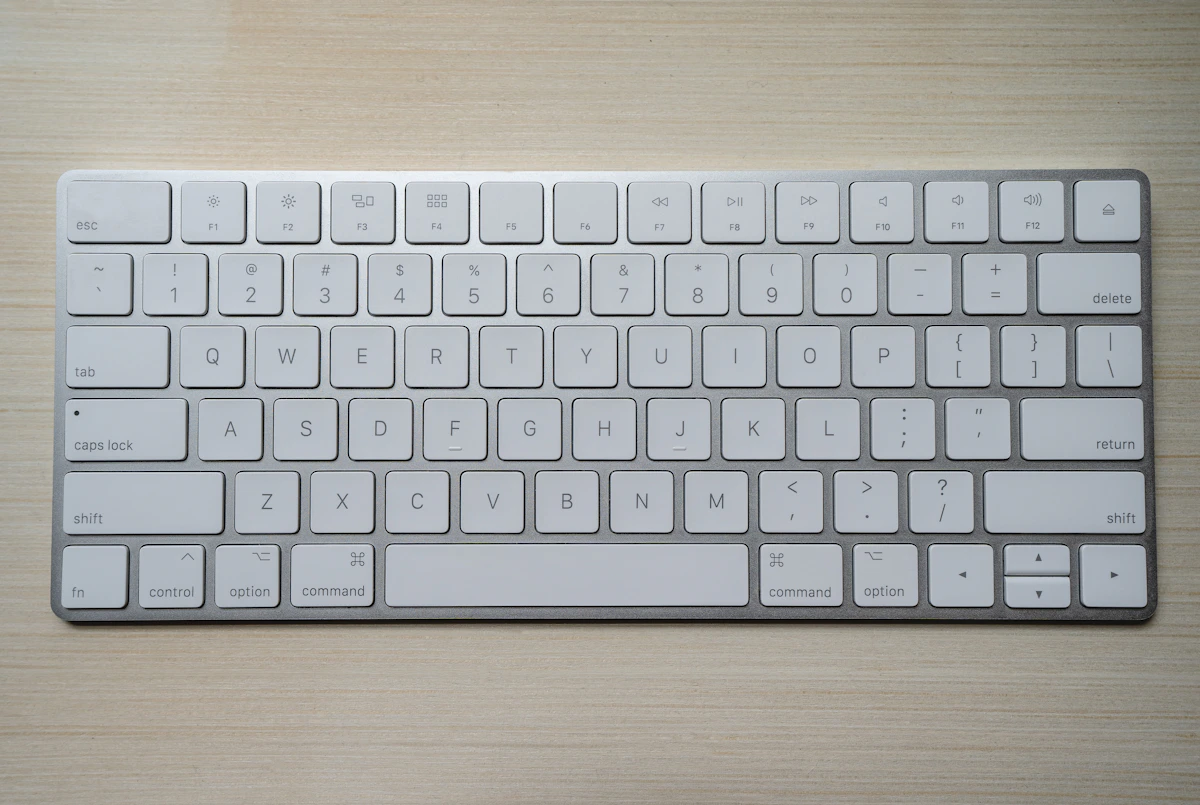
Ultra-Portable Folding Keyboards
Price: ~$39-49
Tri-fold design with rechargeable battery lasts 60 hours. Compatible with iOS, Android, Windows with pocket size. Gray ultra-portable keyboard.
Price: ~$29-39
Bi-fold with touchpad and rechargeable battery. Compact design fits tablet and smartphone. Black portable wireless keyboard.
Price: ~$34-44
Tri-fold with full-size keys and rechargeable battery. Compatible with iPad, iPhone, Android, Windows. Gray travel keyboard.
Price: ~$32-42
Foldable with stand holder for phone and tablet. Rechargeable battery with Bluetooth 5.0. Stainless gray portable keyboard.
Full-Size Portable Keyboards
Price: ~$39-49
Switch between 3 devices with Easy-Switch buttons. Round concave keys with 2-year battery life. Rose pink/blue/graphite compact keyboard.
Price: ~$99-129
Backlit smart illumination with proximity sensors. Rechargeable battery lasts 10 days with backlight. Pale gray premium compact keyboard.
Price: ~$149-179
Wireless rechargeable with scissor mechanism keys. Touch ID for secure authentication. Silver/black for Mac computers.
Price: ~$24-34
Compact design with rechargeable battery lasts 3 months. Compatible with iOS, Android, Windows devices. White affordable portable keyboard.
iPad & Tablet Keyboards
Price: ~$199-229
Detachable keyboard with trackpad and kickstand. Smart Connector powers without pairing. Oxford gray iPad keyboard case.
Price: ~$349-399
Floating design with backlit keys and trackpad. USB-C port for pass-through charging. White/black premium iPad keyboard.
Price: ~$69-89
Magnetic attachment with detachable Bluetooth keyboard. Multiple viewing angles with Auto Sleep/Wake. Black affordable iPad case keyboard.
Multi-Device & Ergonomic Options
Price: ~$59-79
Built-in touchpad with D-pad for TV navigation. Switch between devices with dual connectivity. Black living room keyboard.
Price: ~$69-89
Sleek modern design with multimedia keys. Bluetooth 5.0 with rechargeable battery. Matte black minimalist keyboard.
Price: ~$29-39
Ultra-slim metal design with rechargeable battery. Compatible with iPad, iPhone, Android, Windows. Silver premium budget keyboard.
Price: ~$24-34
Full-size keyboard with silent wireless mouse. 2.4GHz USB receiver with long battery life. Black affordable combo set.
Key Features to Consider:
-
Portability Design: Tri-fold keyboards compact to pocket size, bi-fold balance portability and typing, full-size sacrifice size for comfort
-
Battery Life: Rechargeable batteries convenient but require charging every few weeks/months, replaceable AAA last 1-2 years but add weight
-
Multi-Device Switching: Easy-Switch buttons enable instant device changes, single-device keyboards require re-pairing to switch connections
-
Key Travel: Full-size keys with 1.5-2mm travel feel like laptop keyboards, low-profile scissor switches quieter and faster response
-
Compatibility: Universal keyboards work across iOS, Android, Windows, device-specific optimize features for particular ecosystems
-
Size vs Typing: Full-size keyboards (11-12” wide) offer best typing, compact 9-10” balance portability and usability, folding sacrifice comfort
-
Connectivity: Bluetooth 5.0+ offers reliable 30ft range and lower power consumption, 2.4GHz dongles more stable but occupy USB port
All prices are approximate and may vary based on sales and availability.
Single Monitor Arms
Price: ~$34-44
Fully adjustable stand for 13-32 inch screens up to 22 lbs. Tilt, swivel, and rotate with VESA 75x75 and 100x100mm. Black ergonomic desk mount.
Price: ~$99-129
Adjustable arm for screens 11-34 inches up to 25 lbs. Easy height adjustment with cable management. Black premium desk clamp mount.
Price: ~$39-49
Gas spring monitor arm for 13-32 inch screens up to 17.6 lbs. Full motion with 360-degree rotation. Black height-adjustable desk mount.
Price: ~$169-199
Premium polished aluminum arm for screens up to 34 inches and 25 lbs. Patented Constant Force technology with height adjustment. Silver professional-grade mount.
Price: ~$59-79
Conversion bracket for Apple iMac 21.5 and 27 inch. VESA 100x100mm to 75x75mm compatible. Silver aluminum iMac adapter.
Dual Monitor Arms
Price: ~$44-54
Two adjustable arms for 13-27 inch screens up to 22 lbs each. Tilt, swivel, and rotate with cable management. Black dual stand.
Price: ~$149-179
Premium arms for screens 11-27 inches up to 20 lbs each. Easy height adjustment with cable clips. Black dual desk mount.
Price: ~$59-79
Gas spring arms for 13-32 inch screens up to 19.8 lbs each. Full motion with independent adjustment. Black dual monitor stand.
Price: ~$299-349
Premium aluminum for two displays up to 25 lbs each. Patented Constant Force with portrait/landscape rotation. Polished silver professional arm.
Price: ~$49-69
Vertical stacking for 13-27 inch screens up to 22 lbs each. Space-saving design with height adjustment. Black dual vertical stand.
Triple & Quad Monitor Mounts
Price: ~$69-89
Three independent arms for 13-27 inch screens up to 22 lbs each. Full articulation with VESA compatibility. Black triple stand.
Price: ~$129-159
Four screens 19-27 inches up to 17.6 lbs each in 2x2 configuration. Height-adjustable with tilt and swivel. Black quad mount.
Ultrawide & Large Monitor Mounts
Price: ~$89-109
Heavy-duty arm for 34-49 inch ultrawide screens up to 33 lbs. Gas spring with full motion adjustment. Black large display mount.
Price: ~$489-549
Premium for monitors up to 42 lbs with height-adjustable lift. Pivot, pan, and portrait/landscape rotation. Polished aluminum heavy-duty arm.
Price: ~$79-99
Full motion wall mount for 32-55 inch TVs up to 88 lbs. Extends up to 20 inches with swivel and tilt. Black heavy-duty bracket.
Key Features to Consider:
-
Weight Capacity: Budget mounts handle 17-22 lbs (27” monitors), mid-range 25-30 lbs (32” displays), premium mounts support 33-50 lbs (ultrawide/large screens)
-
VESA Compatibility: Most monitors use 75x75mm or 100x100mm patterns, larger displays require 200x200mm or 400x400mm mounting standards
-
Articulation Range: Basic mounts offer tilt only, mid-range add swivel/rotate, premium gas-spring arms provide effortless repositioning in all directions
-
Desk Mounting: C-clamps fit 0.4-3.5” thick desks quickly, grommet mounts require drilling but offer cleaner aesthetic and stability
-
Cable Management: Integrated channels route cables from monitor to desk, keeping workspace organized and preventing tangling behind displays
-
Height Adjustment: Post-based stands offer 6-12” adjustment, gas springs provide smooth infinite positioning within 17” vertical range
-
Monitor Configuration: Single arms suit solo displays, dual side-by-side for productivity, vertical stacking saves desk width, 3-4 mounts for trading/content creation
All prices are approximate and may vary based on sales and availability.